CÓMO HACER TU CASA MÁS MASCULINA HUYENDO DE LOS TÍPICOS CLICHÉS

La idea de “masculinizar” una casa ha evolucionado mucho en los últimos años. Ya no se trata de llenar el espacio de cuero oscuro, trofeos de caza o muebles enormes. Hoy, un hogar con estética masculina se define por la sobriedad, la funcionalidad, la autenticidad de los materiales y un diseño que transmite solidez sin renunciar a la comodidad. Reformar una casa con este enfoque implica pensar en líneas limpias, colores profundos, texturas naturales y una distribución que favorezca la practicidad. El resultado es un ambiente elegante, sereno y con personalidad.
Sigue leyendo para ayudarte a cómo hacer tu casa más masculina huyendo de los típicos clichés
The idea of “masculinizing” a home has evolved significantly in recent years. It’s no longer about filling a space with dark leather, hunting trophies, or oversized furniture. Today, a home with a masculine aesthetic is defined by sobriety, functionality, the authenticity of materials, and a design that conveys solidity without sacrificing comfort. Renovating a home with this approach means thinking in clean lines, deep colors, natural textures, and a layout that prioritizes practicality. The result is an elegant, serene, and highly personal environment.

1. La paleta de colores: sobriedad que no aburre
El punto de partida suele ser la elección de colores. Los tonos masculinos tradicionales —grises, negros, marrones, azul marino— siguen funcionando, pero la clave está en combinarlos con matices cálidos para evitar que el espacio se vuelva frío o impersonal.
Grises cálidos para paredes que aporten profundidad sin oscurecer.
Azules petróleo o verde oliva para dar carácter en zonas concretas.
Negro en detalles arquitectónicos o mobiliario para un toque sofisticado.
Madera oscura para equilibrar la paleta y añadir calidez.
La regla de oro es mantener una base neutra y jugar con contrastes. Un salón gris claro con una pared en azul profundo y muebles en madera de nogal crea un ambiente masculino sin resultar pesado.
A masculine interior often starts with the right color palette. Traditional masculine tones—greys, blacks, browns, navy—still work beautifully, but the key is combining them with warmer accents to avoid a cold or impersonal feel.
Warm greys for walls that add depth without darkening the room.
Petrol blue or olive green to bring character to specific areas.
Black in architectural details or furniture for a sophisticated touch.
Dark wood to balance the palette and add warmth.
The golden rule is to keep a neutral base and play with contrasts. A light grey living room with a deep blue accent wall and walnut furniture creates a masculine atmosphere without feeling heavy.
2. Materiales auténticos: la esencia del estilo masculino
Si hay algo que define este estilo es la honestidad de los materiales. Nada de imitaciones baratas o acabados excesivamente ornamentados. Lo masculino se expresa a través de texturas reales y robustas.
Madera maciza en su versión más natural.
Acero, hierro o aluminio en estructuras, lámparas o estanterías.
Piedra en encimeras, suelos o detalles decorativos.
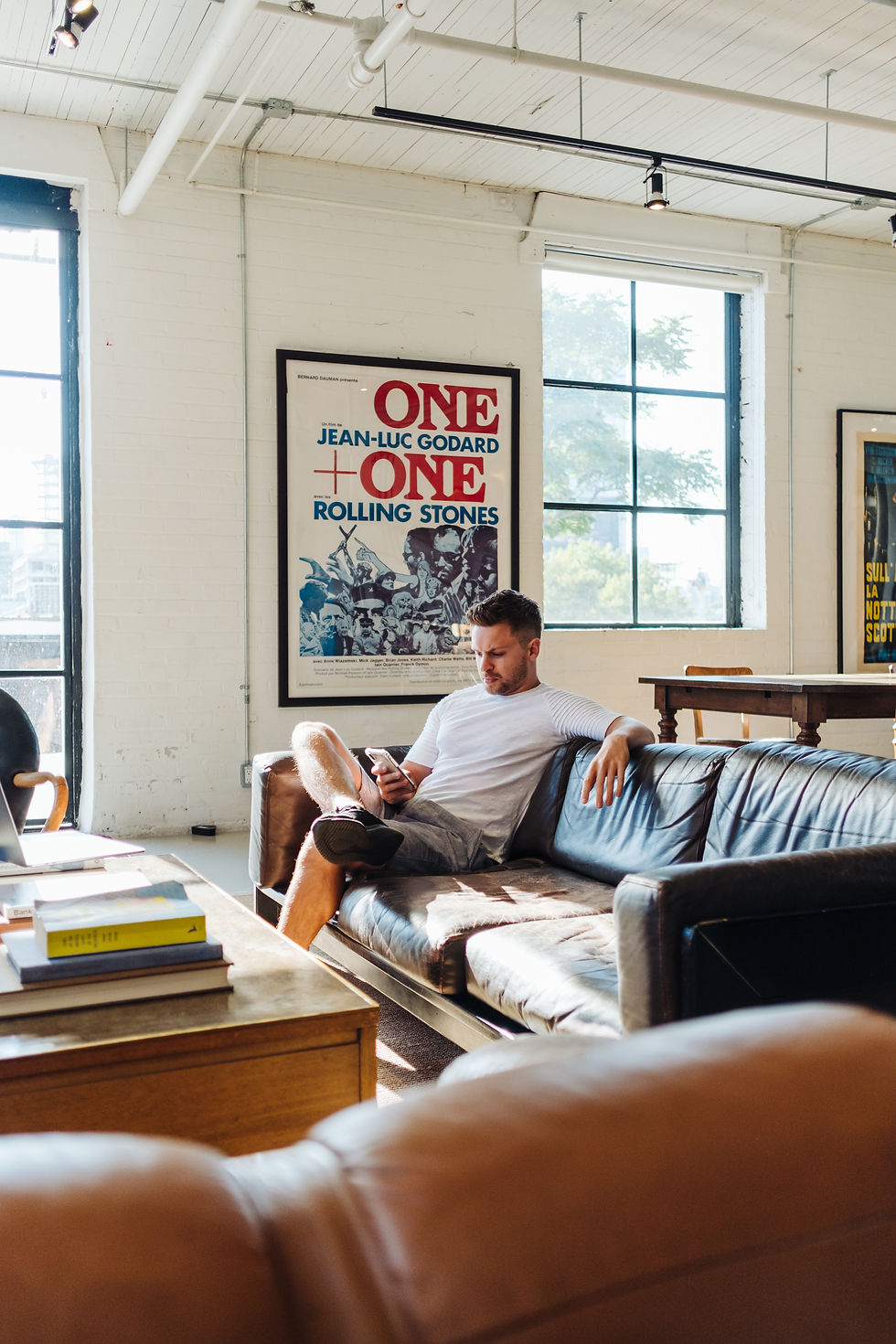
Cuero en sofás, sillones o cabeceros.
Estos materiales transmiten solidez y durabilidad, dos conceptos muy asociados a la estética masculina. Además, envejecen bien: un sofá de cuero o una mesa de madera maciza ganan carácter con el tiempo.
If there’s one thing that defines this style, it’s the honesty of materials. No cheap imitations or overly ornate finishes. Masculinity is expressed through real, robust textures.
Solid wood in its most natural form.
Steel, iron, or aluminum in structures, lamps, or shelving.
Stone in countertops, floors, or decorative details.
Leather in sofas, armchairs, or headboards.
These materials convey strength and durability—two concepts strongly associated with masculine aesthetics. They also age beautifully: a leather sofa or a solid wood table gains character over time.
3. Mobiliario funcional y líneas rectas
El mobiliario es otro pilar fundamental. La estética masculina apuesta por piezas de líneas rectas, proporciones equilibradas y un diseño que prioriza la funcionalidad. No se trata de llenar la casa de muebles grandes, sino de elegir pocos elementos, bien seleccionados y con presencia.
Sofás amplios y cómodos, preferiblemente en tonos neutros.
Mesas de centro robustas, de madera o metal.
Estanterías abiertas con estructura metálica.
Mesas de comedor rectangulares y sillas de diseño sencillo.
La clave está en evitar lo recargado. Cada pieza debe tener un propósito claro y encajar en el conjunto sin competir por protagonismo.
Furniture is another essential pillar. Masculine aesthetics favor pieces with straight lines, balanced proportions, and designs that prioritize functionality. It’s not about filling the home with large furniture, but choosing fewer, well‑selected pieces with presence.
Spacious, comfortable sofas in neutral tones.
Robust coffee tables made of wood or metal.
Open shelving with metal structures.
Rectangular dining tables and simple, well‑designed chairs.
The key is avoiding clutter. Every piece should have a clear purpose and fit into the overall design without competing for attention.
4. Iluminación: el gran diferenciador
La iluminación es uno de los elementos más potentes para reforzar un estilo masculino. Las luces cálidas, indirectas y bien distribuidas crean un ambiente íntimo y sofisticado.
Lámparas industriales en metal negro o bronce.
Apliques de pared para generar sombras interesantes.
Luz regulable para adaptar el ambiente según el momento.
Puntos de luz bajos para evitar una iluminación plana.
Lighting is one of the most powerful elements for reinforcing a masculine style. Warm, indirect, well‑distributed lighting creates an intimate and sophisticated atmosphere.
Industrial lamps in black or bronze metal.
Wall sconces to create interesting shadows.
Dimmable lighting to adapt the mood.
Low‑level lighting (floor or table lamps) to avoid flat illumination.
A masculine home is not a surgical room: lighting should accompany, not overwhelm.
5. Arte y decoración: menos es más, pero con intención
La decoración en un hogar masculino no desaparece, simplemente se vuelve más selectiva. Se busca evitar el exceso y apostar por piezas con significado.
Fotografías en blanco y negro.
Arte abstracto con colores profundos.
Objetos vintage como cámaras antiguas o piezas industriales.
Libros que aporten cultura y textura visual.
Decoration in a masculine home doesn’t disappear—it becomes more selective. The goal is to avoid excess and choose pieces with meaning.
Black‑and‑white photography.
Abstract art in deep colors.
Vintage objects like old cameras, clocks, or industrial pieces.
Books that add culture and visual texture.
Each element should say something about the person who lives there. No filler decor.
6. Espacios abiertos y ordenados
La distribución también juega un papel importante. Los espacios masculinos suelen ser abiertos, fluidos y sin demasiadas barreras visuales. La sensación de amplitud es clave.
Además, el orden es fundamental. Un hogar masculino no tiene por qué ser minimalista, pero sí debe transmitir control y coherencia.
Layout also plays a key role. Masculine spaces tend to be open, fluid, and free of unnecessary visual barriers. The feeling of spaciousness is essential.
Order is equally important. A masculine home doesn’t have to be minimalist, but it should convey control and coherence. Furniture with hidden storage, well‑organized shelving, and uncluttered surfaces help maintain a clean aesthetic.
7. Tecnología integrada
La tecnología forma parte natural del estilo masculino moderno. Sistemas de sonido, domótica, televisores integrados en la decoración o iluminación inteligente aportan funcionalidad sin romper la estética.
Technology is a natural part of modern masculine style. Sound systems, smart home devices, integrated TVs, or intelligent lighting add functionality without breaking the aesthetic.
The key is for technology to blend in discreetly and elegantly.


I enjoyed reading the article about creating a more masculine home without relying on common clichés because it focuses on personal style rather than stereotypes. It reminded me of helping a friend redecorate his apartment, where simple changes in colors and furniture made a big difference. During that busy semester, I relied on assignment help to manage coursework while working on creative projects. It shows that thoughtful design is more about personality than following trends. Your post makes me smile
I liked how the post breaks down ways to make your home feel more masculine without falling into the usual clichés, it made me think about how small design choices really shape a space. Last semester when I was juggling projects I even used write my dissertation cheap as something I used so I could finish work and still think about my own room setup. That taught me that balance and personal style both matter.