PARA LOS QUE EMPIEZAN DE CERO: ASÍ SE HACEN LOS HUEVOS DUROS

Hacer huevos duros es una de esas cosas que parecen obvias… hasta que te toca hacerlos por primera vez. Si no sueles cocinar, es normal que te entren dudas: ¿cuánta agua? ¿cuánto tiempo? ¿cómo sé si están hechos? ¿y si se rompen? La buena noticia es que los huevos duros son de las recetas más agradecidas que existen. No necesitas experiencia, ni utensilios especiales, ni técnicas raras. Solo una olla, agua y un poco de paciencia.
Además, son súper prácticos: duran varios días en la nevera, sirven para desayunos, ensaladas, bocadillos o para picar algo rápido cuando tienes hambre. Y lo mejor: aunque te equivoques un poco, casi siempre salen bien. Lo único que suele fastidiar a los principiantes es pelarlos, pero eso también tiene truco, y te lo cuento más abajo.
Piensa en esta receta como un “primer paso” en la cocina. Si puedes hervir agua, puedes hacer huevos duros. Y si puedes hacer huevos duros, ya tienes una base para un montón de platos sin complicarte la vida.
Para los que empiezan de cero: así se hacen los huevos duros.
Making hard‑boiled eggs is one of those things that seems obvious… until you actually try it for the first time. If you don’t usually cook, it’s completely normal to wonder: How much water do I need? How long should they cook? How do I know when they’re done? What if they crack? The good news is that hard‑boiled eggs are one of the most forgiving recipes out there. You don’t need experience, special tools, or fancy techniques. Just a pot, some water, and a bit of patience.
They’re also incredibly practical: they last several days in the fridge, they work for breakfast, salads, sandwiches, or as a quick snack when you’re hungry. And the best part is that even if you mess up a little, they almost always turn out fine. The only thing that tends to frustrate beginners is peeling them, but there’s a trick for that too, and you’ll find it below.
Think of this recipe as a “first step” in the kitchen. If you can boil water, you can make hard‑boiled eggs. And once you can make hard‑boiled eggs, you’ve already unlocked a whole bunch of easy meals without complicating your life.

🥚 Qué es un huevo duro (y por qué no es tan complicado)
Un huevo duro es simplemente un huevo cocido hasta que la clara y la yema quedan firmes. No necesitas saber cocinar para hacerlo: solo agua, una olla y un temporizador.
🥚 What a Hard‑Boiled Egg Is (and Why It’s Not Complicated)
A hard‑boiled egg is simply an egg cooked until both the white and the yolk are firm. You don’t need to know how to cook to make one: just water, a pot, and a timer.
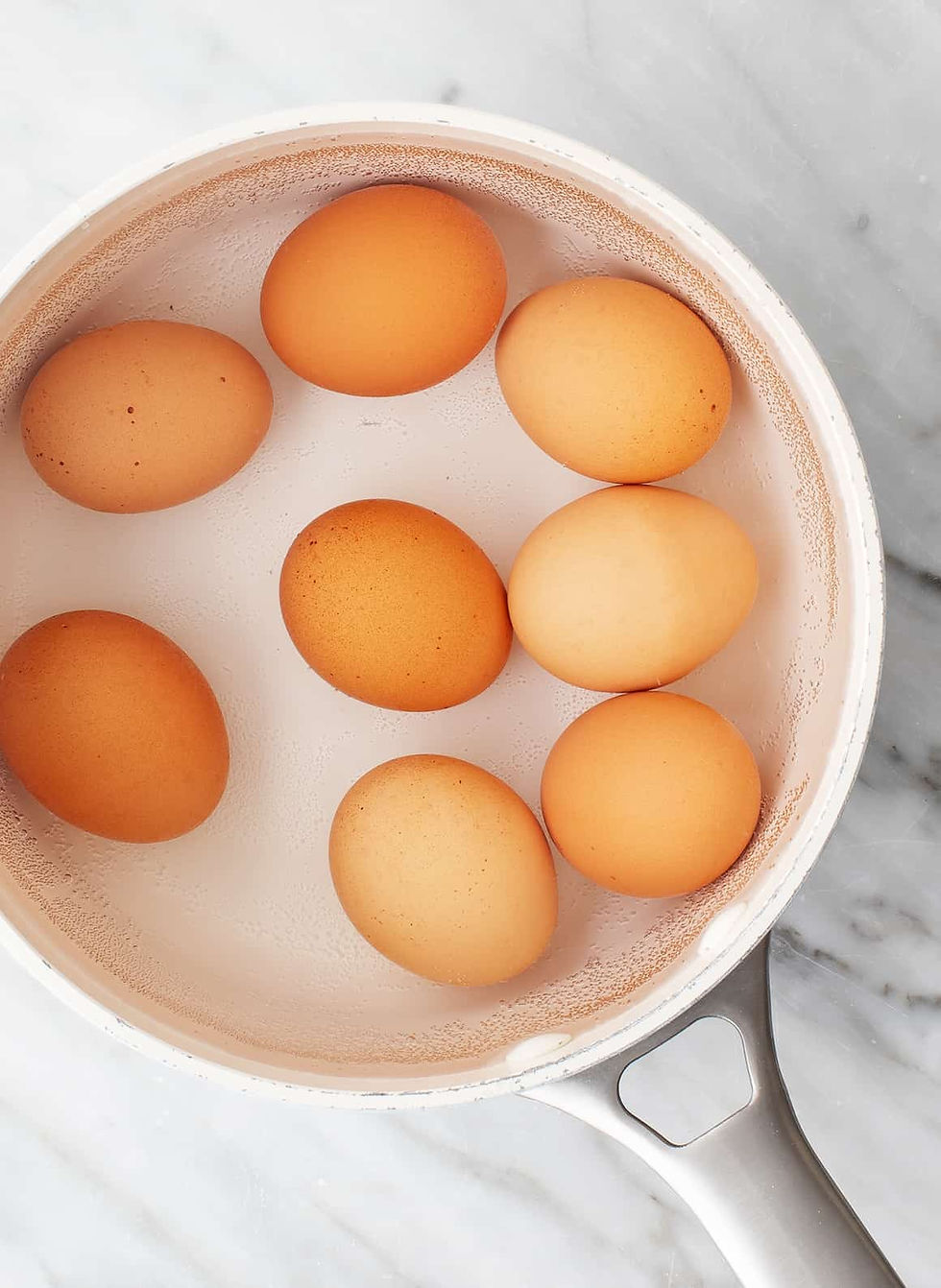
🔥 Cómo hacerlo sin miedo ni líos
1) Pon los huevos en una olla
Que queden en el fondo, sin apilarse. Cúbrelos con agua fría. Si dudas: que el agua los tape bien.
2) Enciende el fuego al máximo
No tienes que hacer nada más. Solo espera a que el agua empiece a hervir fuerte (cuando salen burbujas grandes).
3) Cuando hierva, apaga el fuego
Tapa la olla. No la abras. Deja los huevos ahí dentro:
10 minutos → yema más cremosa
12 minutos → yema más firme
Si no sabes cuál elegir, 11 minutos va perfecto.
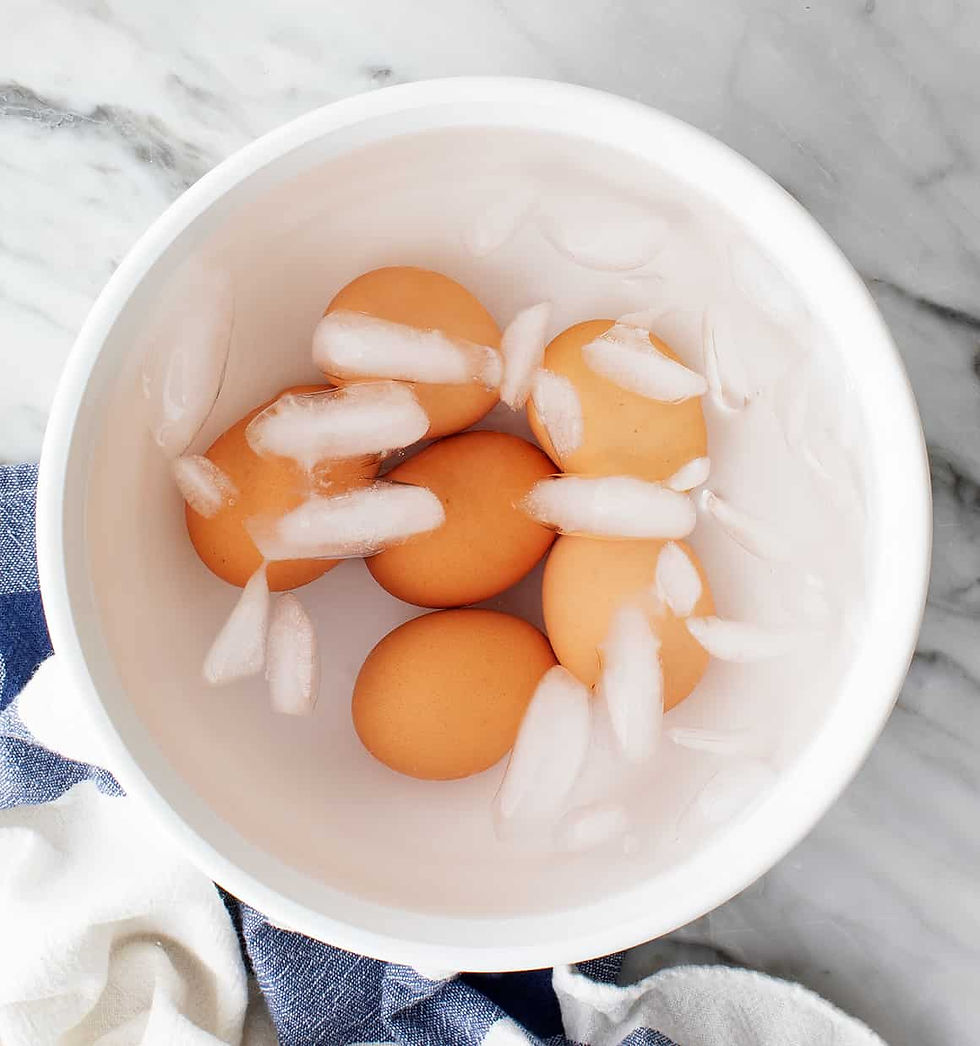
4) Enfríalos en agua con hielo
Llena un bol con agua fría y hielo. Mete los huevos ahí 14 minutos.
Esto hace dos cosas importantes:
Evita que se sigan cocinando.
Hace que se pelen mucho mejor.
5) Pélalos con calma
Golpea el huevo suavemente contra la encimera para romper la cáscara. Luego quítala poco a poco.
🔥 How to Make Them Without Stress or Confusion
Put the eggs in a pot
Make sure they sit on the bottom in a single layer, not stacked. Cover them with cold water. If you’re unsure: just make sure the water fully covers the eggs.
Turn the heat to high
You don’t need to do anything else. Just wait until the water starts boiling strongly (big bubbles).
When it boils, turn off the heat
Put the lid on the pot. Don’t open it. Leave the eggs inside:
10 minutes → creamier yolk
12 minutes → firmer yolk
If you don’t know which one to choose, 11 minutes works great.
Cool them in ice water
Fill a bowl with cold water and ice. Put the eggs in there for 14 minutes.
This does two important things:
Stops them from continuing to cook.
Makes them much easier to peel.
Peel them gently
Tap the egg lightly on the counter to crack the shell. Then peel it off slowly.
🍽️ Cómo usarlos después
Los huevos duros duran hasta 5 días en la nevera. Puedes comerlos:
Tal cual, con un poco de sal
En ensaladas
En tostadas con aguacate
En bocadillos
En ensalada de huevo o huevos rellenos
🍽️ How to Use Them Afterwards
Hard‑boiled eggs last up to 5 days in the fridge. You can eat them:
As they are, with a little salt
In salads
On avocado toast
In sandwiches
In egg salad or deviled eggs

🧩 Consejos que ayudan aunque no cocines
Si los huevos son muy frescos, se pelan peor. Los que llevan unos días en la nevera funcionan mejor.
El baño de hielo es obligatorio. Es el truco que hace que no se rompan al pelarlos.
No pasa nada si te equivocas. Si uno se rompe, te lo comes igual.
🧩 Helpful Tips Even If You Don’t Cook
Very fresh eggs are harder to peel. Eggs that have been in the fridge for a few days work better.
The ice bath is essential. It’s the trick that keeps the eggs from breaking when you peel them.
Don’t worry if one cracks. If it breaks, you just eat it anyway.


Comentarios